
The short version
In 2026, the overwhelming majority of breast augmentations performed in Europe use cohesive silicone gel implants. Saline implants still exist and have specific use cases, but the question 'silicone or saline' is largely a historical one outside the United States. The more relevant 2026 question is which silicone implant — round or shaped, smooth or textured, standard or ergonomic.
This article still covers both, because the question is asked daily, and because the answer is genuinely instructive.
How they differ in the body
| Aspect | Silicone (cohesive gel) | Saline (saltwater) |
|---|---|---|
| Feel | Closest to natural breast tissue | Firmer, can ripple |
| Rupture detection | Silent — requires MRI/US | Obvious — breast deflates |
| Incision size | Slightly larger | Smaller (filled in situ) |
| Rippling visibility | Low | Higher in thin patients |
| Use in 2026 Europe | ~98% | <2% |
| FDA age (USA) | 22+ | 18+ |
Why silicone dominates
Modern cohesive silicone gel behaves like a gummy bear — cut it in half and the gel stays in place rather than leaking. This addresses the historical concerns about silicone migration that dated from earlier generations of implants. The feel is closer to natural breast tissue, particularly in patients with limited soft-tissue coverage, and rippling — the visible wave seen at the edges of the implant — is far less common.
When saline still makes sense
Saline retains a small niche: patients who want the smallest possible incision, patients undergoing reconstruction where intra-operative adjustability is helpful, and patients who simply prefer the reassurance that a rupture will be immediately obvious. It is a respectable choice in the right hands and the right anatomy.
What about safety?
Both silicone and saline implants in current use are extensively studied and considered safe. The textured implants previously linked to a rare lymphoma (BIA-ALCL) have been withdrawn from major markets; modern smooth and nano-textured implants do not carry the same association. Breast Implant Illness remains a controversial diagnosis with limited evidence; it is taken seriously in consultation but should not be the default explanation for non-specific symptoms.
The most important safety conversation is not silicone vs saline — it is implant brand, surgeon technique, and the lifetime follow-up plan.
How Dr. Barutcu chooses
After examination and 3D simulation, the implant decision is built around chest width, skin thickness, breast base diameter, asymmetry, lifestyle (running, riding, swimming) and aesthetic preference. The patient's preferred 'look' — natural slope versus upper-pole fullness — narrows the profile. The result is an evidence-based choice the patient understands and owns, not a recommendation handed down from above.
Understanding Implant Longevity and Exchange
Implants are not considered lifetime devices. While modern silicone implants are designed for durability, eventually, all implants will require exchange or removal. The typical lifespan of a breast implant is approximately 10 to 15 years, though some may last longer and others may need attention sooner. Factors influencing longevity include the individual's anatomy, lifestyle, and any complications that may arise over time. Regular follow-up examinations, including imaging studies, are crucial for monitoring implant integrity and detecting any issues proactively.
An implant exchange procedure is generally less complex than the initial augmentation, provided there are no significant capsular contracture or other complications. The existing incision can often be utilised, and the pocket created for the original implant adjusted as necessary for the new device. We discuss this eventuality extensively during the initial consultation, ensuring patients understand that breast augmentation is not a one-time surgery but a journey that may involve future procedures. This transparency is vital for informed decision-making.
Reasons for implant exchange can range from elective desire for a size or shape change, to addressing complications such as capsular contracture, rupture, or displacement. Over time, the breast tissue itself changes due to gravity, ageing, and hormonal fluctuations, which can affect the aesthetic outcome of the implants. A re-evaluation of the breast's condition and the patient's goals is performed prior to any exchange procedure, allowing us to recommend the most appropriate approach for continued satisfaction.
For our international patients, planning for potential future implant exchanges involves careful consideration. While the initial surgery is performed in Istanbul, we ensure comprehensive post-operative guidance and facilitate communication with local healthcare providers for long-term follow-up. We provide detailed reports and imaging studies, enabling seamless transitions of care. However, for the exchange procedure, patients often choose to return to us to maintain continuity of care with the surgeon familiar with their initial surgery and anatomy.
- Typical implant lifespan is 10-15 years.
- Regular follow-ups, including imaging, are essential.
- Exchange reasons vary: elective change, complications.
- Often uses original incision; pocket adjusted.
- Breast tissue changes over time may necessitate exchange.
- International patients receive detailed post-op guidance.
- Many international patients return for exchange procedures.
The Initial Consultation: A Detailed Assessment
The initial consultation represents a critical step in the breast augmentation journey. During this comprehensive meeting, we dedicate ample time to understanding your aesthetic goals, medical history, and overall health status. We will discuss your motivations for surgery, desired breast size and shape, and any concerns you may have. A thorough medical history will be taken, covering previous surgeries, current medications, allergies, and family history of breast conditions. This detailed information allows us to assess your suitability for surgery and identify any potential contraindications.
A physical examination of your chest and breasts is then performed. This evaluation includes assessing your breast tissue quality, skin elasticity, nipple position, and chest wall anatomy. We measure existing breast volume, base width, and projection, which are crucial parameters for selecting the appropriate implant size and type. We also consider your overall body frame and proportions to ensure the chosen implants will create a harmonious and natural-looking result that aligns with your individual physique.
We utilise advanced imaging and simulation tools during the consultation to help visualise potential outcomes. This technology allows us to demonstrate how different implant sizes and profiles might appear on your body, giving you a clearer expectation of the post-operative result. While these tools are helpful, we always emphasise that they are simulations and real-world outcomes can vary. Our primary goal is to establish realistic expectations and ensure a mutual understanding of what can be achieved surgically.
Finally, we discuss the surgical plan in detail, including incision placement, implant pocket creation (subglandular or submuscular), and expected recovery timeline. We openly address potential risks and complications associated with breast augmentation, ensuring you are fully informed before making a decision. Ample opportunity is provided for you to ask questions, and we encourage a candid dialogue to address all your concerns.
- Discuss aesthetic goals and motivations.
- Review comprehensive medical history.
- Physical examination: breast tissue, skin, anatomy.
- Measurements of breast volume, width, projection.
- Utilise imaging/simulation tools for visualisation.
- Establish realistic expectations for outcomes.
- Detailed surgical plan: incisions, pocket, recovery.
Pre-operative Preparation and Post-operative Care
Careful pre-operative preparation is paramount for ensuring a smooth surgical experience and optimal recovery. Following your decision to proceed with surgery, we provide detailed instructions on how to prepare. This typically includes guidance on medication adjustments, such as discontinuing blood-thinning agents like aspirin or certain supplements, usually 10-14 days prior to surgery, to minimise bleeding risk. We also advise against smoking for at least four weeks before and after surgery, as nicotine can impair healing and increase complication rates.
On the day of surgery, you will be asked to arrive at the hospital a few hours before your scheduled procedure. There, you will meet with the anaesthesiologist to discuss the anaesthesia plan, and I will review the surgical markings. The procedure itself typically takes between 60 to 90 minutes. Following surgery, you will be taken to a recovery room where you will be closely monitored as you awaken from anaesthesia. Most patients are discharged within a few hours, though an overnight stay may be recommended in certain circumstances.
Post-operative care instructions are vital for a comfortable recovery and achieving the best possible results. You will be provided with specific guidance on wound care, pain management, and activity restrictions. We typically recommend wearing a supportive surgical bra for several weeks to help reduce swelling and support the breasts as they heal. Strenuous activities, heavy lifting, and upper body exercise should be avoided for approximately four to six weeks. Most patients can return to light work within one week.
Regular follow-up appointments are scheduled in the weeks and months following surgery to monitor your healing progress, address any concerns, and ensure that your recovery is proceeding as expected. For our international patients, we coordinate these follow-ups with your travel plans, ensuring you receive adequate care before returning home. We also maintain open communication channels for any questions that may arise after your return, guaranteeing continued support from our team.
- Discontinue blood thinners 10-14 days pre-op.
- Avoid smoking 4 weeks before and after surgery.
- Arrive at hospital hours before procedure.
- Surgery typically lasts 60-90 minutes.
- Discharge usually within a few hours; some overnight stay.
- Wear supportive surgical bra for several weeks.
- Avoid strenuous activity 4-6 weeks post-op.
- Return to light work usually within one week.
- Regular follow-ups scheduled for healing monitoring.
- International patient follow-ups coordinated with travel.
Addressing Potential Risks and Complications
While breast augmentation is generally a safe procedure, it is crucial for patients to be fully aware of the potential risks and complications, however rare they may be. We discuss these comprehensively during the consultation. General surgical risks include adverse reactions to anaesthesia, bleeding, infection, and seroma (fluid accumulation). Specific to breast augmentation, risks include capsular contracture, implant rupture or deflation, malposition, sensation changes in the nipples or breast skin, and unsatisfactory aesthetic results.
Capsular contracture is the most common long-term complication, occurring when the scar tissue capsule that naturally forms around the implant tightens and compresses the implant. This can lead to pain, firmness, and distortion of the breast shape. The incidence varies but is typically in the range of 5-10% over ten years. Treatment may involve surgical release or removal of the capsule, or in some cases, implant exchange.
Implant rupture can occur with both silicone and saline implants. With silicone, a rupture is often silent (asymptomatic) and may only be detected on imaging, as the cohesive gel tends to stay within the capsule. With saline, a rupture leads to rapid deflation, which is immediately noticeable. While not a health emergency, a ruptured implant necessitates surgical exchange. Modern implants have very low rupture rates, less than 1% annually, but the risk accumulates over time.
Changes in nipple or breast sensation, either increased or decreased sensitivity, can temporarily or, in rare cases, permanently occur after breast augmentation. Most changes are temporary and resolve within several months. Asymmetry and malposition, where the implants shift from their intended position, are also potential complications that may require corrective surgery. We take every precaution to minimise these risks through meticulous surgical technique and careful patient selection.
The Experience for Our International Patients in Istanbul
Istanbul has emerged as a leading destination for medical tourism, particularly for plastic surgery, due to its combination of world-class medical facilities, highly skilled surgeons, and cost-effectiveness. For our international patients from the UK, Germany, the Netherlands, and the Gulf region, we offer a seamless and supportive experience from initial inquiry through to post-operative care. Our clinical team is well-versed in catering to the unique needs of patients traveling for medical treatment.
From the moment you contact our clinic, our dedicated patient coordinator will assist you with every aspect of your journey. This includes providing detailed information about the procedure, assisting with virtual consultations, and guiding you through logistics such as accommodation recommendations and local transportation options. We understand that traveling for surgery can be daunting, and our aim is to make the process as comfortable and stress-free as possible, ensuring you feel confident and well-cared for at every stage.
Our clinic operates within state-of-the-art hospitals accredited to international standards, equipped with advanced technology and highly trained medical staff. We prioritise patient safety and comfort, adhering to stringent hygiene protocols and maintaining a high standard of clinical excellence. The surgical team, including anaesthesiologists and nurses, are experienced in supporting international patients and are proficient in English communication, ensuring clear and effective dialogue throughout your stay.
Post-operatively, we arrange for your follow-up appointments at our clinic before your scheduled departure. We provide comprehensive documentation of your surgery, including implant details, and clear instructions for your ongoing recovery at home. We maintain an open channel of communication for any questions or concerns that may arise once you have returned to your home country. Our commitment to your well-being extends beyond your time in Istanbul, ensuring continuous support and peace of mind.
- World-class facilities and skilled surgeons in Istanbul.
- Dedicated patient coordinator for travel logistics.
- Virtual consultations available for international patients.
- Assistance with accommodation and local transport.
- Clinic in internationally accredited, state-of-the-art hospitals.
- Strict hygiene protocols and high clinical standards.
- English-proficient medical team for clear communication.
- Post-operative follow-ups before patient departure.
- Comprehensive surgical documentation provided.
- Continued communication channel post-return home.
FAQ
Frequently asked questions
Do silicone implants feel natural?+
Modern cohesive gel implants are the closest available approximation of natural breast tissue, particularly when placed under the muscle in patients with limited soft-tissue coverage.
Will I know if a silicone implant ruptures?+
Not always — silent rupture is possible. The FDA recommends MRI or ultrasound screening at five to six years and every two to three years thereafter.
Are textured implants still used?+
Macro-textured implants have been withdrawn in most markets. Smooth and nano-textured implants remain standard in 2026.
Is one type cheaper?+
Saline implants are slightly cheaper, but the price difference is small and rarely the deciding factor.
Can I switch from saline to silicone later?+
Yes — it is a straightforward exchange procedure if you change preference or experience rippling.
How long do I need to stay in Istanbul for breast augmentation?+
For breast augmentation, we typically recommend a stay of approximately 7-10 days in Istanbul. This allows sufficient time for the surgery, initial post-operative recovery, and at least two follow-up appointments at our clinic. The first follow-up usually occurs 2-3 days after surgery to check on your healing progress and provide further instructions. A second review, typically around day 7 post-op, allows us to ensure everything is progressing well before you travel back home.
Can I combine breast augmentation with other procedures?+
It is sometimes possible to combine breast augmentation with other surgical procedures, provided it is safe and appropriate for your overall health. Common combinations include combining breast augmentation with a breast lift (mastopexy) if there is significant ptosis (sagging), or with liposuction for body contouring. However, combining multiple procedures can increase the overall surgical time and recovery period. We thoroughly assess each patient's suitability for combined procedures during the consultation, prioritising patient safety above all else.
What is the typical recovery timeline for returning to normal activities?+
The initial recovery period usually lasts about 1 to 2 weeks. During this time, you should avoid strenuous activities, heavy lifting, and any upper body exercises. Most patients can return to light, desk-based work within 5-7 days. Showering is usually permitted 48 hours after surgery, and incisions should be kept clean and dry. More strenuous activities, including exercise, can typically be gradually resumed around 4-6 weeks post-surgery, with full return to all activities by 3 months. Individual recovery times can vary.
Will I need a mammogram after breast augmentation?+
Yes, standard breast cancer screening typically continues after breast augmentation. It is important to inform your radiologist and mammography technician that you have breast implants. Specialised views, known as Eklund views, can be used to ensure better visualisation of the breast tissue. We also recommend regular self-examinations and clinical breast exams as part of your ongoing breast health surveillance. The presence of implants does not impede crucial screenings, but communication with your healthcare provider is key.
Explore further
Continue your research on the clinic site
Next step
Interested in learning whether this procedure is right for you?
Schedule a personalised consultation with Dr. Gülsüm Barutcu in Istanbul to discuss your goals and receive a tailored treatment plan.
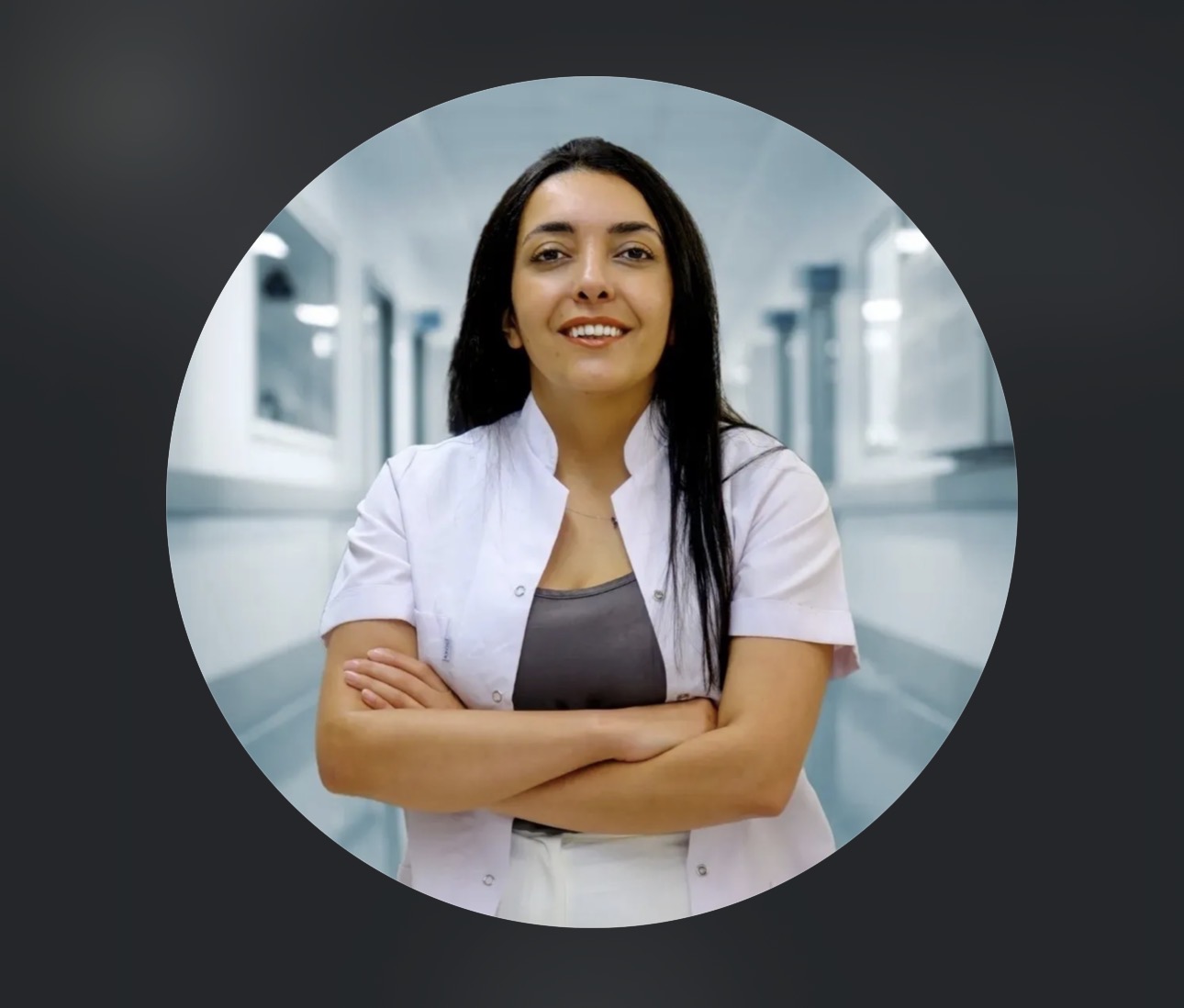
Medically reviewed by Dr. Gülsüm Barutcu
Dr. Gülsüm Barutcu
Plastic, Reconstructive and Aesthetic Surgeon · Istanbul, Turkey
Dr. Barutcu cares for international patients with an emphasis on personalised planning, ethical decision-making and natural-looking outcomes. Her practice is built on patient safety, informed consent and an unhurried approach to every consultation.
Last reviewed: 30 March 2026


