
Why so many patients choose Istanbul for breast augmentation
Breast augmentation is the world's most performed aesthetic procedure, and Istanbul has become one of its largest markets. Patients arrive from across Europe primarily because high-quality implants, accredited hospitals and experienced surgeons are available at roughly half UK prices — and because the recovery is short enough to combine with a short trip.
This guide focuses on what you should pay, what should be included, and the implant brands worth asking for by name.
2026 price ranges
UK comparison: £6,500 to £9,000. German comparison: €7,500 to €11,000. The cost difference reflects operating costs, not implant quality — the same Motiva or Mentor implant is used.
| Implant brand & profile | Typical all-in package (EUR) |
|---|---|
| Mentor / Motiva round, smooth | €4,000 – €5,500 |
| Motiva Ergonomix (premium ergonomic) | €5,000 – €6,500 |
| Polytech polyurethane (Germany) | €5,500 – €7,000 |
| Composite (implant + minor lift) | €6,000 – €8,000 |
What a serious package includes
- Consultation, blood tests, ECG and anaesthetic review
- Original implants from a named, traceable manufacturer with lifetime warranty
- Surgeon, anaesthetist and theatre fees
- 1 night in a private hospital room
- Surgical bra and medication
- All follow-up visits before flying home
- VIP airport and hospital transfers
- 5–7 nights of hotel accommodation
- Patient coordinator and translator
The implant warranty matters
Every reputable implant brand (Mentor, Motiva, Polytech, Allergan, Sebbin) provides a lifetime warranty against rupture and a 10-year warranty against capsular contracture. Ask for the implant's unique serial number and warranty card. A clinic that cannot or will not provide this is not using the brand it claims.
Red flags in cheap quotes
- Implants not named by brand
- No mention of an anaesthetist
- Surgery performed in a 'clinic' rather than a hospital
- No written follow-up plan
- Pressure to decide and pay quickly
Choosing your size like an adult
Sizing is not a number on a box. It is the relationship between your chest width, breast base, skin elasticity, lifestyle and aesthetic preference. Honest surgeons spend the bulk of the consultation on this conversation — using 3D simulation, sizers in a bra, and reference photographs of similar starting anatomy. Cup size is the least reliable language for this conversation; volume in cubic centimetres, profile and projection are the meaningful units.
Understanding Breast Augmentation Candidacy: More Than Just Desire
When considering breast augmentation, it is important to understand that not everyone is an ideal candidate for this procedure. We assess a patient's general health, looking for any pre-existing conditions such as uncontrolled diabetes, significant cardiac issues, or active autoimmune diseases, which may contraindicate surgery or increase anaesthetic risks. A stable weight is also a factor; significant fluctuations in weight after surgery can alter results. We prioritise patient safety, and a thorough medical history, including medication use and allergies, is paramount in this initial evaluation.
Beyond physical health, psychological readiness is equally important. We look at a patient's motivations for surgery, ensuring that their expectations are realistic and that they are seeking augmentation for personal enhancement rather than external pressure. A clear understanding of the surgical process, potential outcomes, and inherent risks is essential. Patients should be emotionally prepared for the recovery period and committed to following post-operative instructions diligently. We encourage open communication during the consultation to address any anxieties or misconceptions.
Ideal candidates typically have fully developed breasts, are at least 18 years of age, and are non-smokers or are willing to cease smoking well in advance of the surgery due to its impact on healing. Good skin elasticity allows the skin to accommodate the implant smoothly, contributing to a more natural result. While breast asymmetry is a common concern that augmentation can address, we evaluate the degree of asymmetry and discuss whether breast augmentation alone or a combination with other techniques, such as a breast lift, would yield the best outcome. Our aim is to achieve harmony and balance.
A specific body mass index (BMI) range is often considered; generally, a BMI under 30 is preferred to minimise anaesthetic and surgical complications. Patients with realistic expectations about what breast augmentation can achieve and an understanding of its limitations tend to be the most satisfied with their results. We often find that patients who have taken time to research and reflect on their decision prior to the consultation are better prepared for this comprehensive discussion. Our role is to guide you through these considerations with clinical impartiality.
- Full breast development (typically 18+ years old)
- Good general health with no significant uncontrolled medical conditions
- Stable body weight for at least six months prior to surgery
- Non-smoker or willing to abstain from smoking for 4-6 weeks pre- and post-surgery
- Realistic expectations regarding surgical outcomes and recovery
- Adequate skin elasticity to accommodate implants
- BMI typically below 30 to minimise complication risks
The Surgical Process: Implantation Techniques and Precision
The actual surgical procedure typically takes between one to two hours to complete, performed under general anaesthesia to ensure patient comfort and safety. Once anaesthetised, our anaesthesiologist continuously monitors vital signs. We create precise incisions designed to be as inconspicuous as possible, usually in the inframammary fold (the crease beneath the breast), around the areola, or in the armpit. The choice of incision site is discussed during the consultation, considering the patient's anatomy, implant type, and desired outcome, aiming for optimal aesthetic scar placement.
Following the incision, we meticulously create a pocket for the implant. This pocket can be positioned either subglandular (above the pectoral muscle) or submuscular (partially or fully beneath the pectoral muscle). The subglandular placement often allows for a quicker recovery with less discomfort, while the submuscular placement may offer better concealment of the implant, particularly in patients with less existing breast tissue, and potentially lower rates of capsular contracture. We weigh the benefits and drawbacks of each approach based on individual patient factors.
After the implant is carefully placed in the created pocket, we meticulously close the incisions with sutures, sometimes incorporating dissolvable stitches. Often, surgical drains are not required, but if deemed necessary to reduce fluid accumulation and prevent haematoma, they are typically removed within 24-48 hours. A surgical bra is then applied immediately to provide support and aid in the initial stages of healing. Our anaesthesia protocol focuses on minimising post-operative nausea and pain, allowing for a smoother emergence from anaesthesia.
Throughout the surgical process, adherence to strict sterility protocols is maintained to minimise the risk of infection. We employ precise surgical techniques to ensure symmetry and optimal implant positioning. Our team includes experienced surgical nurses who assist in the procedure and monitor the patient during the immediate post-operative period in the recovery room. We prioritise creating an environment of safety and clinical excellence from the moment you enter the operating theatre until you are comfortably settled in your recovery space.
- General Anaesthesia: For complete patient comfort and safety
- Incision Site Options: Inframammary fold, periareolar, transaxillary
- Implant Pocket Placement: Subglandular (above muscle) or Submuscular (below muscle)
- Surgical Time: Approximately 1-2 hours
- Suturing: Meticulous closure, often with dissolvable stitches
- Post-operative: Surgical bra for support, drains rarely used
Post-Operative Recovery and Long-Term Care: A Structured Approach
The initial recovery phase immediately following breast augmentation typically involves mild to moderate discomfort, managed effectively with prescribed oral pain medication. Patients can expect some swelling and bruising in the breast area, which generally subsides over a few weeks. We advise patients to wear a supportive surgical bra continuously for the first 4-6 weeks to aid in healing, reduce swelling, and ensure proper implant positioning. Rest is crucial during this period; we recommend avoiding strenuous activities, heavy lifting, and any breast manipulation for at least 4-6 weeks post-surgery.
Most patients can return to light, desk-based work within 5-7 days, provided their discomfort is well-managed. However, returning to full physical activity, including exercise and higher-impact sports, is typically advised after 6-8 weeks, once the tissues have adequately healed and the implants have settled. We provide detailed written instructions covering wound care, medication schedules, and activity restrictions. Regular follow-up appointments are scheduled to monitor healing progression and address any concerns.
Long-term care involves regular self-examinations and routine mammograms as recommended by age and medical guidelines. It is important to inform radiologists about breast implants when scheduling mammograms, as special techniques may be used. While modern implants are durable, they are not lifetime devices. We advise routine check-ups, typically every 5-10 years, or sooner if specific concerns arise, to assess implant integrity. We discuss the potential for future implant replacement due to natural bodily changes or the unlikely event of complications such as rupture or capsular contracture.
Maintaining a stable weight and a healthy lifestyle contributes to the longevity of the results. While implants can last for many years, the natural aging process, gravity, and hormonal changes will eventually impact the appearance of the breasts. We are committed to providing comprehensive post-operative support, ensuring you feel informed and cared for throughout your recovery and beyond. Our objective is to support you in achieving and maintaining your desired aesthetic outcome with a focus on long-term breast health.
- Initial Discomfort: Managed with prescribed oral pain medication
- Surgical Bra: Worn continuously for 4-6 weeks
- Activity Restrictions: Avoid strenuous activity for 4-6 weeks
- Return to Work: Light desk-based work possible within 5-7 days
- Full Physical Activity: Resumption after 6-8 weeks
- Long-Term Monitoring: Regular self-exams and routine mammograms
- Implant Lifespan: Not lifetime devices, monitoring and potential replacement needed
The Istanbul Advantage: Beyond Price, a Commitment to Care
While competitive pricing is undoubtedly a draw for patients seeking breast augmentation in Istanbul, the decision to travel for surgery here extends beyond financial considerations. We pride ourselves on offering a comprehensive patient experience that prioritises safety, quality, and personalised care. Our clinics are equipped with modern technology and adhere to international standards of hygiene and patient safety protocols. The emphasis is on delivering consistent, high-calibre medical care in a supportive environment, ensuring peace of mind for our international clientele.
Our medical teams comprise highly qualified and experienced plastic surgeons who are board-certified and possess extensive experience in breast augmentation procedures. Continuous professional development and adherence to the latest surgical techniques are standard practice. The support staff, including anaesthesiologists, nurses, and patient coordinators, are proficient in catering to the needs of international patients, often speaking multiple languages to facilitate clear communication and understanding throughout the patient journey.
Furthermore, the medical tourism infrastructure in Istanbul is robust and well-established. From the initial virtual consultation to airport transfers, accommodation arrangements, and dedicated post-operative care, every aspect of the patient's visit is meticulously planned and coordinated. This holistic approach minimises logistical stress, allowing patients to focus solely on their recovery. We understand the unique challenges faced by patients travelling for surgery and have tailored our services to address these effectively.
Our commitment extends to detailed pre-operative assessments and thorough post-operative follow-up, which includes remote consultations for international patients once they have returned home. We believe that exceptional outcomes are not solely achieved in the operating theatre but are a result of meticulous planning, skilled execution, and diligent post-operative management. This comprehensive approach, combined with a cultural environment that values hospitality, elevates the patient experience in Istanbul beyond mere cost savings to a realm of genuine care and medical excellence.
- High Standards of Care: Modern facilities adhering to international hygiene and safety protocols
- Experienced Surgeons: Board-certified with extensive expertise in breast augmentation
- Multilingual Support Staff: Facilitating clear communication for international patients
- Comprehensive Logistics: Coordinated airport transfers, accommodation, and appointments
- Detailed Follow-up: Including remote consultations post-return home
- Patient-Centred Approach: Focus on safety, quality, and personalised care
Potential Risks and Complications: An Honest Discussion
Like any surgical procedure, breast augmentation carries potential risks and complications, and it is our responsibility to discuss these openly and thoroughly with every patient during the consultation. General surgical risks include adverse reactions to anaesthesia, excessive bleeding, infection at the surgical site leading to delayed healing, and the formation of haematoma (blood clot) or seroma (fluid accumulation), which may require drainage. While these are rare, we employ stringent protocols to minimise their occurrence and are prepared to manage them should they arise.
Specific risks associated with breast augmentation include capsular contracture, where scar tissue forms a tight capsule around the implant, potentially causing discomfort, distortion, and requiring further surgery. Implant rupture or leakage is another possibility, which may necessitate implant removal or replacement. Numbness or changes in nipple sensation are also potential side effects, which can be temporary or, in rare cases, permanent. It is important to understand that no surgical outcome can be guaranteed, and individual healing varies.
The risk of Breast Implant-Associated Anaplastic Large Cell Lymphoma (BIA-ALCL), a rare type of T-cell lymphoma, has been linked to textured implants. While the incidence is very low, we discuss this comprehensively. Implant malposition or asymmetry can occur, sometimes requiring revision surgery. We also address the possibility of aesthetic dissatisfaction regarding implant size, shape, or placement, emphasising the importance of realistic expectations and thorough pre-operative planning to align surgeon and patient goals.
We provide a comprehensive informed consent process, ensuring patients fully understand all potential risks and benefits before proceeding with surgery. Our priority is patient safety and education. We encourage patients to ask all questions during the consultation phase to ensure they are making a fully informed decision. Post-operative care instructions are designed to reduce the likelihood of complications. Should a complication arise, our team is equipped to provide appropriate and timely management.
- General Surgical Risks: Anaesthesia reactions, bleeding, infection, haematoma, seroma
- Capsular Contracture: Tight scar tissue around implant, requiring potential revision
- Implant Rupture/Leakage: May necessitate implant removal or replacement
- Nipple Sensation Changes: Temporary or permanent numbness/hypersensitivity
- BIA-ALCL: Rare lymphoma linked to textured implants, discussed thoroughly
- Implant Malposition/Asymmetry: Potential aesthetic concern, may require revision
FAQ
Frequently asked questions
How much does breast augmentation cost in Turkey in 2026?+
Between €4,000 and €6,500 for a board-certified plastic surgeon using premium implants in a private hospital, as an all-inclusive package.
Are implants in Turkey safe?+
Yes — top Istanbul clinics use the same Motiva, Mentor and Polytech implants used in the UK and Germany, with the same lifetime warranties.
Do I need to come back for follow-up?+
Standard follow-up is at 1, 3, 6 and 12 months. After the early in-person visits, follow-up can continue by video call.
When can I fly home?+
5–7 days after surgery in most cases.
Do implants need replacing?+
Modern implants do not have a fixed expiry date. They are replaced when there is a clinical reason — not by routine.
How soon after childbirth or breastfeeding can I have breast augmentation?+
We generally recommend waiting at least six months after you have completely stopped breastfeeding before considering breast augmentation. This allows the breasts to return to their non-pregnant, non-lactating size and shape, ensuring more stable and predictable surgical outcomes. Hormonal changes subside, and breast tissue can stabilise, which is crucial for accurate implant sizing and placement. For patients who have not breastfed, a waiting period of 3-6 months post-childbirth is usually sufficient for bodily recovery before surgery.
Will breast augmentation affect my ability to breastfeed in the future?+
In the majority of cases, breast augmentation itself does not significantly impair the ability to breastfeed, particularly when the implant is placed in the inframammary fold incision and subglandular or submuscular pocket. The milk ducts and glands typically remain unaffected. However, periareolar incisions (around the nipple) carry a slightly higher, though still small, risk of affecting milk ducts or nipple sensation, which could potentially impact breastfeeding. We discuss these nuances thoroughly during your consultation, especially if future pregnancies are part of your family planning.
What is the typical lifespan of breast implants, and will I need replacement surgery?+
Modern breast implants are designed for longevity, but they are not considered lifetime devices. While many can last for 10-20 years or even longer, it is realistic to anticipate that implants may eventually require replacement. Reasons for replacement can include capsular contracture, implant rupture, changes in aesthetic preference, or the natural aging process affecting breast tissue. We recommend regular self-examinations and routine check-ups, typically every 5-10 years, to monitor implant integrity and overall breast health.
Does breast augmentation offer a solution for significantly sagging breasts?+
For breasts with significant ptosis (sagging), breast augmentation alone may not be sufficient to achieve an ideal aesthetic outcome. While implants can add volume and some degree of lift, they primarily address volume deficiency. In cases of moderate to severe sagging, a combined procedure known as a mastopexy (breast lift) with augmentation is often recommended. This allows us to remove excess skin, reshape the breast tissue, reposition the nipple-areola complex, and then add volume with implants, resulting in a more lifted, youthful contour. We will assess your individual needs during the consultation.
Explore further
Continue your research on the clinic site
Next step
Interested in learning whether this procedure is right for you?
Schedule a personalised consultation with Dr. Ümmü Gülsüm Barutcu in Istanbul to discuss your goals and receive a tailored treatment plan.
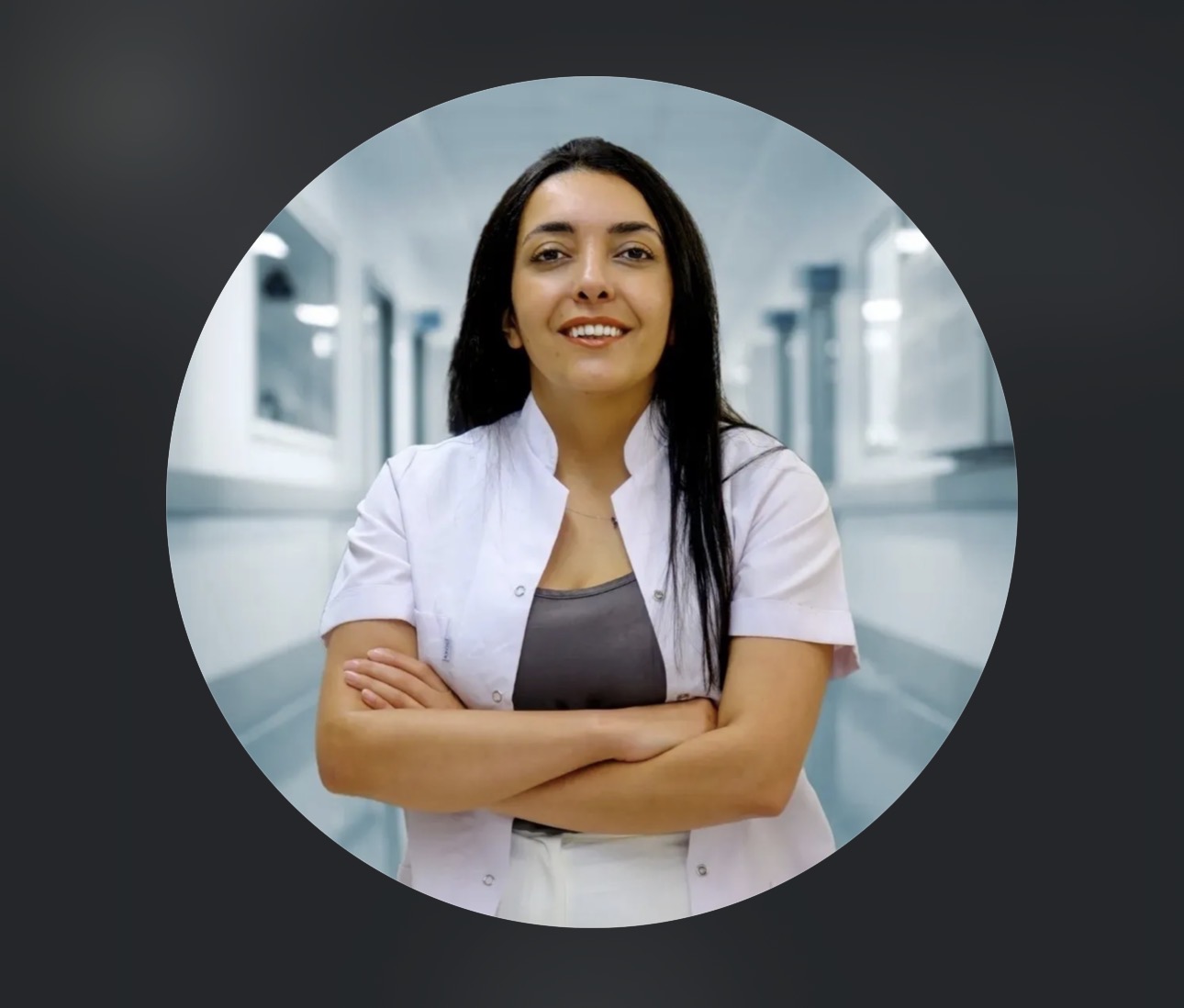
Medically reviewed by Dr. Gülsüm Barutcu
Dr. Ümmü Gülsüm Barutcu
Plastic, Reconstructive and Aesthetic Surgeon · Istanbul, Turkey
Dr. Barutcu cares for international patients with an emphasis on personalised planning, ethical decision-making and natural-looking outcomes. Her practice is built on patient safety, informed consent and an unhurried approach to every consultation.
Last reviewed: 30 April 2026


