
What a mommy makeover actually is
A mommy makeover is not a single operation — it is a personalised combination of procedures designed to address the changes pregnancy and breastfeeding leave behind. For most patients this means a tummy tuck plus a breast procedure (lift, augmentation, or both) often combined with liposuction of the flanks and lower back. The combination is chosen for the individual, not chosen off a menu.
Performed as a single staged operation rather than as separate surgeries, a properly planned mommy makeover means one anaesthetic, one recovery, and one set of travel arrangements — meaningful both clinically and practically.
Who is a candidate?
- Completed family (further pregnancies will undo abdominal repair)
- Stable weight for at least six months
- Good general health, non-smoker for at least four weeks
- Realistic understanding that this is major surgery
- Adequate childcare support for the first three weeks
Common combinations
| Goal | Typical combination |
|---|---|
| Restore abdomen + lift breasts | Full tummy tuck + breast lift |
| Restore abdomen + restore volume | Full tummy tuck + augmentation |
| Restore abdomen + lift and add volume | Full tummy tuck + augmentation-mastopexy |
| Refine contour only | Mini tummy tuck + liposuction |
| Comprehensive remodelling | Full tummy tuck + augmentation-mastopexy + flank liposuction |
How long does it take?
A typical mommy makeover takes four to six hours of operative time under a single general anaesthetic. Hospital stay is one to two nights. Total time in Istanbul is usually ten to fourteen nights, including pre-operative workup, the procedure, drain removal, the early follow-up appointment and a few days of supervised rest before flying home.
Recovery realistically
The first week is the most demanding — combined drains, compression garments and limited mobility. Patients are walking gently from day one but rely heavily on support at home. By week three most patients are functional at home, by week six they return to gym-based exercise, and by month three to six the final result emerges. We strongly recommend the patient arranges live-in help for at least the first two weeks at home — this is the single most important predictor of a smooth recovery.
Understanding the Anatomical Changes After Pregnancy
Pregnancy and childbirth induce significant and often lasting changes in the female anatomy, particularly affecting the abdominal wall and breasts. The rectus abdominis muscles, which run vertically along the midline of the abdomen, frequently separate, a condition known as diastasis recti. This separation can range from 2 to 10 centimetres, creating a visible bulge and compromising core strength. The skin and underlying tissues in this region also undergo considerable stretching, leading to laxity and the development of striae gravidarum, commonly known as stretch marks. These changes often do not resolve with diet and exercise alone, prompting consideration of surgical correction.
In addition to abdominal alterations, the breasts typically undergo changes in volume and shape. During pregnancy and lactation, breast tissue expands, and milk ducts engorge. Following cessation of breastfeeding, the glandular tissue often atrophies, leading to a reduction in breast volume and a noticeable ptosis, or sagging. The skin envelope supporting the breast also stretches, further contributing to the descent of the nipple-areola complex and the overall loss of a youthful contour. These combined effects on the breasts can significantly impact body image and confidence, making breast procedures a crucial component of a comprehensive mommy makeover.
The profound hormonal shifts experienced during and after pregnancy also play a role in fat distribution. Many women find that localized pockets of fat accumulate in areas such as the flanks, abdomen, and thighs, which prove resistant to conventional weight loss strategies. These persistent fat deposits, alongside muscle laxity and skin excess, contribute to the post-pregnancy body contour. A mommy makeover addresses these multi-faceted changes by combining surgical techniques to restore a more proportionate and toned silhouette, focusing on areas most affected by gestation and parturition.
The Initial Consultation: What to Expect
Your initial consultation is a critical step in the mommy makeover journey, designed to establish a clear understanding of your aesthetic goals, medical history, and suitability for surgery. During this comprehensive meeting, we will discuss your specific concerns regarding your abdomen, breasts, and any other areas you wish to address. We will review your past pregnancies, details of any previous surgeries, and your general health status, including any chronic conditions or medications you are currently taking. It is imperative that you provide a complete and honest medical history to ensure your safety and optimal surgical planning.
A thorough physical examination will be conducted to assess the quality and elasticity of your skin, the degree of rectus abdominis diastasis, the extent of breast ptosis, and the distribution of any localized fat deposits. We will take precise measurements and photographs, which serve as essential tools for surgical planning and for tracking your post-operative progress. This detailed assessment allows us to determine the most appropriate surgical techniques and tailor a treatment plan that aligns with your individual anatomy and desired outcomes. We encourage you to ask any questions you may have during this consultation.
During this discussion, we will explain the various surgical options, their associated benefits, potential risks, and expected recovery timelines. For instance, we will detail the differences between various abdominoplasty techniques, such as full or mini tummy tucks, and different breast procedures like augmentation, lift, or reduction. We will also discuss realistic expectations regarding the results, emphasizing that a mommy makeover aims to improve your body contour rather than achieve absolute perfection. We aim to equip you with all the necessary information to make an informed decision about your surgery.
Comparing Abdominoplasty Techniques: Full vs. Mini Tummy Tuck
The choice between a full abdominoplasty and a mini tummy tuck depends largely on the extent of skin laxity, muscle separation, and fat excess in the abdominal area. A full abdominoplasty, often the preferred option for women after multiple pregnancies or significant weight fluctuations, addresses the entire abdominal region from the rib cage to the pubic area. This procedure involves a horizontal incision made low on the abdomen, typically above the pubic hairline, extending hip to hip. Through this incision, we tighten the rectus abdominis muscles, remove significant amounts of excess skin and fat, and reposition the belly button to a more aesthetic position.
A mini tummy tuck, in contrast, is suitable for patients with localized skin laxity and minimal muscle weakness primarily below the navel. The incision for a mini tummy tuck is considerably shorter, often only 10-20 centimetres, and is also placed low on the abdomen. This technique allows for the removal of a smaller amount of excess skin and fat from the lower abdomen. Critically, it does not involve the repositioning of the belly button or extensive tightening of the upper abdominal muscles, making it a less invasive option with a generally quicker recovery period.
The decision between these two techniques is made during your consultation, following a thorough physical examination and discussion of your aesthetic concerns. Patients with significant diastasis recti, abundant loose skin above the belly button, or a substantial abdominal bulge will typically benefit more from a full abdominoplasty. Those with more modest concerns confined to the lower abdomen, often with good skin quality and minimal muscle separation above the navel, may be ideal candidates for a mini tummy tuck. We will guide you through this decision-making process to ensure the most effective and appropriate surgical approach for your specific needs.
Potential Risks and Complications: An Honest Overview
As with any surgical procedure, a mommy makeover carries inherent risks and potential complications, which we are committed to discussing transparently with you. General surgical risks include adverse reactions to anaesthesia, excessive bleeding, infection, and scarring. While we take every precaution to minimise these occurrences, it is important for patients to be aware of their possibility. Strict adherence to pre-operative and post-operative instructions plays a significant role in reducing these risks.
Specific to mommy makeover procedures, potential complications can include seroma formation, which is a collection of fluid under the skin; haematoma, a collection of blood; and delayed wound healing. Numbness or altered sensation in the abdominal or breast areas is also a possibility, though often temporary. In some cases, asymmetry may occur, or the aesthetic outcome may not fully meet expectations, necessitating revision surgery. While rare, more serious complications such as deep vein thrombosis (DVT) or pulmonary embolism can occur, particularly if patients are not mobilised adequately after surgery.
We employ stringent safety protocols and advanced surgical techniques to mitigate these risks. Our facility is equipped to handle potential complications, and our medical team is trained to respond promptly and effectively. We will provide detailed post-operative care instructions, including guidelines for activity levels, wound care, and medication, which are crucial for a smooth recovery and to reduce the likelihood of complications. Your safety and well-being remain our foremost priority throughout your surgical journey.
Life After a Mommy Makeover: Long-Term Maintenance and Expectations
The results of a mommy makeover can be long-lasting, significantly improving your body contour and restoring a more youthful silhouette. However, maintaining these results requires a commitment to a healthy lifestyle. We advise patients to maintain a stable weight through balanced nutrition and regular, moderate exercise. Significant weight fluctuations following surgery can stretch the skin and abdominal muscles, potentially compromising the aesthetic outcome. While the surgical corrections are durable, the natural ageing process and any subsequent pregnancies could influence the long-term appearance.
We generally recommend delaying a mommy makeover until you have completed your family and are at a stable weight you feel you can maintain. Future pregnancies, while not undoing all the surgical work, can re-stretch the abdominal muscles and skin, and re-alter breast volume and shape. Should you decide to have more children after your mommy makeover, additional aesthetic procedures may be desired later to address any new changes. It is crucial to have realistic expectations about the longevity of your results and the impact of future life events.
Regular follow-up appointments with us are important to monitor your long-term progress and address any concerns that may arise. Typically, we schedule follow-ups at 6 weeks, 3 months, 6 months, and 1 year post-surgery, and annually thereafter for several years. These appointments allow us to assess your healing, discuss scar maturation, and ensure you are comfortable with your results. We are dedicated to supporting you throughout your journey, offering advice on long-term care and providing guidance on maintaining your rejuvenated appearance.
FAQ
Frequently asked questions
Should I wait if I want more children?+
Yes. Further pregnancy will stretch the abdominal repair and undo much of the result. Complete your family first.
Is doing everything at once safe?+
When performed by an experienced team in an accredited hospital with appropriate operative time limits, yes. Operations exceeding six hours carry higher risk and should be staged.
How long should I stay in Turkey?+
Plan for 10–14 nights to allow for surgery, drain removal, recovery and pre-flight clearance.
Do I need childcare arranged at home?+
Yes — for at least the first two weeks back home. Lifting children is restricted for six weeks.
When will I see the final result?+
Around six months for shape, twelve months for scars to fully fade.
How long should I wait after childbirth to consider a mommy makeover?+
We generally advise waiting at least 6 to 12 months after your last childbirth and ideally, after you have completed breastfeeding. This allows your body to fully recover from pregnancy, your hormones to stabilise, and your uterus to return to its normal size. It also gives you time to lose any excess pregnancy weight and for your tissues to settle, providing a more stable baseline for surgical assessment and planning.
Can a mommy makeover help with stretch marks?+
A mommy makeover, particularly the abdominoplasty component, can significantly improve the appearance of stretch marks located on the lower abdomen, as the excess skin in this area is physically removed. For stretch marks on the upper abdomen or breasts, the procedure may stretch the skin, potentially reducing their visibility, but it does not eliminate them entirely. Laser treatments or other resurfacing techniques may be considered for residual stretch marks if desired.
What is the ideal BMI for a mommy makeover candidate?+
While there isn't a single universal ideal BMI, we typically recommend a BMI of 30 or below for patients undergoing a mommy makeover. A higher BMI increases the risks of surgical complications such as infection, poor wound healing, and anaesthesia-related issues. Achieving a healthy and stable weight before surgery contributes significantly to both your safety and the aesthetic quality of your results.
How soon after a mommy makeover can I resume exercise?+
Your return to exercise will be gradual and carefully managed. We recommend avoiding any strenuous activity, heavy lifting, or abdominal exercises for at least 6 to 8 weeks after surgery to allow your tissues to heal properly and to prevent complications like seroma or muscle separation. Light walking is encouraged from the first few days post-surgery to aid circulation. We will provide a detailed plan for progressively reintroducing exercise based on your individual healing and the extent of your procedures.
Explore further
Continue your research on the clinic site
Next step
Interested in learning whether this procedure is right for you?
Schedule a personalised consultation with Dr. Gülsüm Barutcu in Istanbul to discuss your goals and receive a tailored treatment plan.
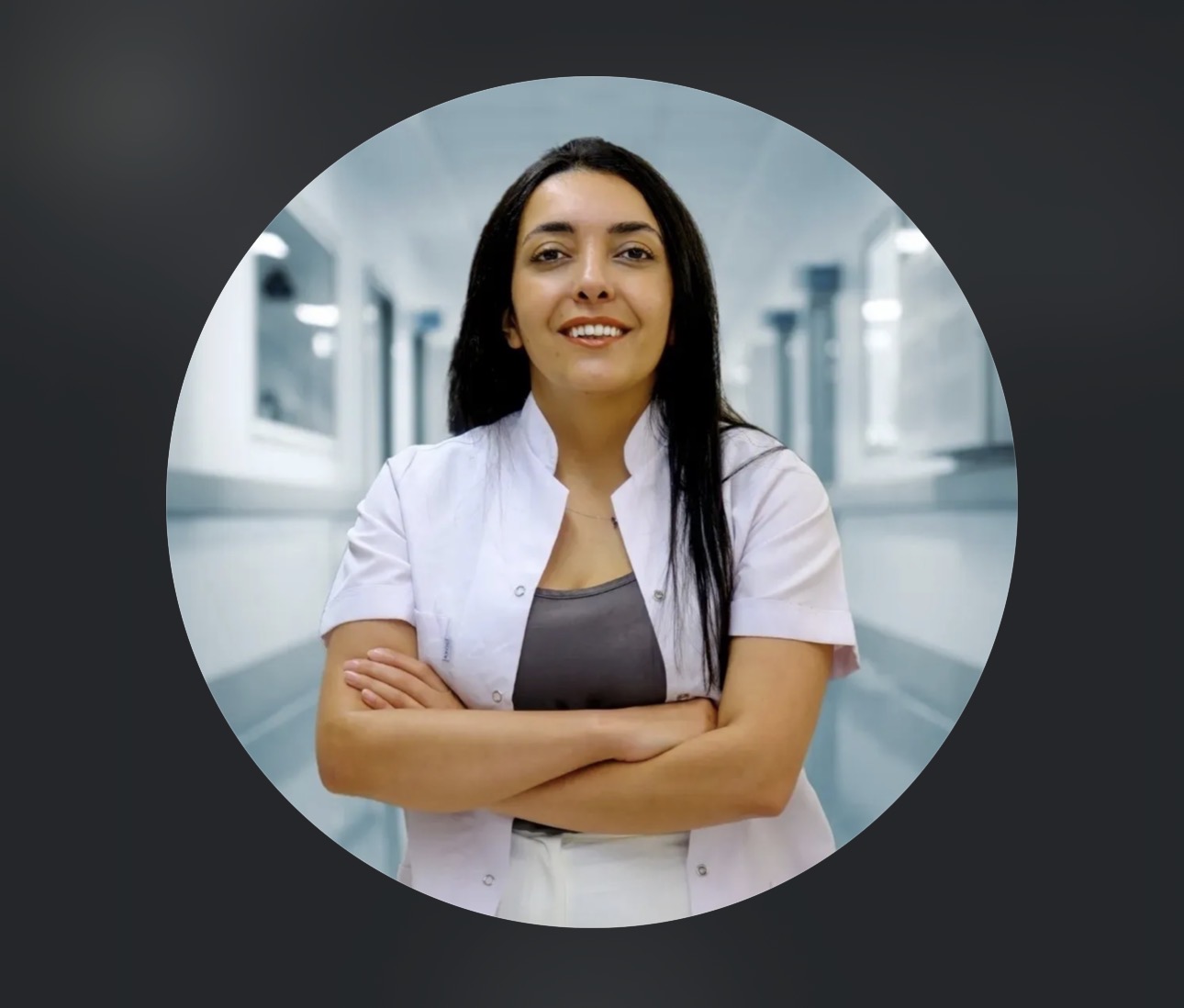
Medically reviewed by Dr. Gülsüm Barutcu
Dr. Gülsüm Barutcu
Plastic, Reconstructive and Aesthetic Surgeon · Istanbul, Turkey
Dr. Barutcu cares for international patients with an emphasis on personalised planning, ethical decision-making and natural-looking outcomes. Her practice is built on patient safety, informed consent and an unhurried approach to every consultation.
Last reviewed: 12 May 2026


