
Start from the right question
The question is not 'who is the best plastic surgeon in Turkey'. There is no single answer, and any clinic that claims to be the answer is selling rather than informing. The question is 'who is the right surgeon for me, for this procedure, with the time and budget I have'. The framework below — credentials, communication, transparency, aftercare — is what experienced patients use, what other surgeons use to refer family members, and what should drive your decision.
Step 1: Verify credentials, not claims
These are minimum standards, not high bars. A surgeon who does not meet them is not on your shortlist.
- Board certified by the Turkish Society of Plastic, Reconstructive and Aesthetic Surgeons (TSPRAS)
- Holds the European Board of Plastic, Reconstructive and Aesthetic Surgery (EBOPRAS) qualification
- Listed in the official Ministry of Health doctor registry
- Operates in a hospital, not a 'clinic' or 'beauty centre'
Step 2: Look at the right photos
Anyone can curate before-and-after photos for the website. The meaningful question is: how many results can you see at twelve months from now (not from day seven), of patients with similar starting anatomy, photographed in consistent light, from consistent angles. The more uniform and unflattering the lighting, the more honest the portfolio.
Step 3: Test the consultation
- Are you given enough time without pressure to decide?
- Does the surgeon discuss what they would NOT do as readily as what they would?
- Are alternative procedures mentioned, including non-surgical?
- Is the answer to every question consistent over follow-up emails?
- Are you given a written plan with named brands, named anaesthetist and named hospital?
Step 4: Read the aftercare policy
A serious clinic has a written aftercare protocol that includes: scheduled in-person follow-ups before flying home, video follow-up calendar after returning home, named contact for emergencies, written revision policy with clear thresholds and timeframes, and ideally a partner aesthetic doctor in your home country. If any of these are missing, ask why — the answer is informative.
Step 5: Compare on the right things
| Compare on | Don't compare on |
|---|---|
| Surgeon credentials | Instagram follower count |
| Hospital accreditation | Hotel star rating |
| Long-term result photos | Marketing video production |
| Written revision policy | Free transfer upgrades |
| Consultation quality | Speed of WhatsApp reply |
Step 6: Trust the gut on integrity
When all the boxes are checked, surgeon-patient fit becomes the final variable. You should feel listened to, not sold. You should feel comfortable saying 'I am not sure' and have the surgeon respect that. A surgeon who is right for your friend may not be right for you, and vice versa. There is no wrong feeling — but there is a wrong choice driven by price, urgency or pressure.
Understanding Surgical Candidacy and Realistic Expectations
When considering aesthetic surgery, it is paramount to understand that not everyone is an ideal candidate for every procedure. Our assessment involves a comprehensive review of your medical history, current health status, and specific anatomical features. For instance, in a patient seeking abdominoplasty, we evaluate skin laxity, muscle diastasis, and the quantity of subcutaneous fat. We will discuss any pre-existing conditions such as diabetes, hypertension, or previous surgeries, as these can influence anaesthetic risk and healing. Ensuring that you are in good general health minimises potential complications and promotes a smoother recovery period. A realistic understanding of outcomes is crucial.
Beyond physical health, we meticulously assess your motivations and psychological well-being. It is important that patients hold realistic expectations regarding the surgical outcome. For example, while a rhinoplasty can refine nasal contours, it cannot fundamentally alter your facial identity. We frequently utilise imaging during consultations to provide a clearer visualisation of potential results, aligning these with what is anatomically achievable. Patients with body dysmorphic disorder, or those undergoing significant personal stress, may not be suitable candidates, and we would advise seeking psychological support before considering surgery. Our objective is to enhance natural beauty, not to create an unattainable ideal.
We also consider age, particularly for procedures such as facelifts or breast augmentations. While there is no strict age limit, the elasticity of the skin, bone structure, and overall tissue quality vary significantly. For younger patients, we may suggest less invasive alternatives if appropriate. Conversely, for older patients, we carefully consider skin turgor and healing capacity. For example, a breast augmentation in a patient with significant ptosis may necessitate an accompanying lift to achieve the desired projection and position of the nipple-areola complex. These nuanced discussions ensure a tailored approach, prioritising both safety and aesthetic satisfaction.
A detailed discussion of potential risks and complications is an integral part of determining candidacy. Every surgical procedure carries inherent risks, including but not limited to infection, bleeding, adverse reactions to anaesthesia, or unsatisfactory cosmetic results. For example, during a liposuction, irregularities or asymmetry can occur. We will elaborate on the specific risks associated with your contemplated procedure, ensuring you are fully informed to make a discerning decision. Our team is dedicated to mitigating these risks through meticulous surgical technique and comprehensive post-operative care, but patient awareness remains fundamental.
Understanding Surgical Interventions: An Overview of Common Procedures
In the realm of aesthetic surgery, we perform a diverse array of procedures designed to address specific anatomical concerns. For facial rejuvenation, we offer rhytidectomy, commonly known as a facelift, which involves lifting and tightening the underlying facial muscles and redraping the skin to reduce the appearance of wrinkles and sagging. Blepharoplasty, or eyelid surgery, targets excess skin and fat around the eyes, improving the aesthetic and sometimes functional aspects of vision. Rhinoplasty, or nose reshaping, is a highly individualised procedure aimed at refining nasal contours to harmonise with overall facial features. Each of these interventions requires meticulous planning and execution.
Body contouring procedures are equally varied and often sought by patients following significant weight loss or those wishing to refine their physique. Abdominoplasty, or a tummy tuck, removes excess skin and fat from the abdomen and tightens the abdominal wall muscles, creating a flatter, firmer profile. Liposuction, a common procedure, precisely removes localised fat deposits from areas such as the abdomen, flanks, thighs, and arms. We employ various techniques including VASER and traditional suction-assisted liposuction, tailoring the approach to the patient's specific needs. For individuals seeking augmentation, gluteal or calf implants can enhance body proportions.
Breast surgeries constitute a significant portion of our practice, addressing concerns ranging from size and shape to symmetry. Breast augmentation involves placing implants, typically silicone, to increase breast volume and enhance contours. Breast reduction alleviates physical discomfort and improves aesthetic balance in women with macromastia. Mastopexy, or a breast lift, repositions the nipple and aerola, and reshapes the breast to address sagging. For male patients, gynaecomastia correction surgically removes excess glandular tissue and fat to correct enlarged male breasts. Each procedure is selected after careful consideration of patient desires and anatomical realities.
The choice of surgical intervention is always a collaborative decision between patient and surgeon. During the consultation, we present a range of options, discussing the benefits, limitations, and expected outcomes of each. For example, a patient seeking breast enhancement may be suitable for either implants or a fat transfer, depending on their existing breast volume and desired increase. We elucidate the specifics of the incision patterns, recovery timelines, and potential adjunctive procedures. Our aim is to empower you with comprehensive knowledge, enabling an informed decision that aligns with your aesthetic aspirations and personal circumstances.
The Recovery Journey: Post-operative Care and Long-term Results
The recovery period following aesthetic surgery is a critical phase, directly influencing the final outcome. Immediately post-operatively, patients are monitored in a dedicated recovery area. Pain management is prioritised through prescribed analgesics, and we provide detailed instructions on wound care, including dressing changes and hygiene. For procedures like abdominoplasty or liposuction, compression garments are essential to reduce swelling, support healing tissues, and contour the treated areas effectively these garments are typically worn continuously for 4-6 weeks. Early ambulation, even short walks, is encouraged to prevent deep vein thrombosis, but strenuous activity is restricted for several weeks.
Swelling and bruising are expected post-operative phenomena, with the majority subsiding within the first 2-4 weeks. However, residual swelling can persist for several months, particularly after facial or body contouring procedures. For instance, after a rhinoplasty, subtle swelling around the nasal tip may take up to a year to fully resolve. We schedule regular follow-up appointments, often at 1 week, 2 weeks, 1 month, 3 months, 6 months, and 12 months post-surgery, to monitor your healing progress, remove sutures if necessary, and address any concerns. These consultations are vital for tracking recovery and ensuring optimal outcomes.
Returning to normal activities is a gradual process. Most patients can resume light office work within 1-2 weeks, but heavy lifting, vigorous exercise, and strenuous activities are generally restricted for 6-8 weeks, depending on the procedure. For example, after a breast augmentation, we advise avoiding overhead arm movements for the first few weeks. We provide specific guidelines tailored to your recovery, emphasising patience and adherence to post-operative instructions. Adherence to these recommendations minimises the risk of complications such as seroma formation or wound dehiscence.
Long-term results are largely dependent on individual healing, lifestyle choices, and adherence to our post-operative advice. While aesthetic surgery can produce significant improvements, it does not halt the natural ageing process. Maintaining a stable weight through a balanced diet and regular exercise, and avoiding excessive sun exposure, can help preserve your results. For example, the longevity of a facelift can be between 8-12 years, but this can be influenced by skin quality and gravitational effects. We aim for enduring, natural-looking results that enhance your appearance and confidence for years to come.
- Avoid strenuous activity for 6-8 weeks post-surgery.
- Wear compression garments continuously for 4-6 weeks as advised.
- Attend all scheduled follow-up appointments.
- Refrain from smoking and excessive alcohol consumption.
- Protect incisions from sun exposure for at least one year.
- Maintain a stable weight and healthy lifestyle.
- Stay hydrated and follow a balanced diet.
The Istanbul Advantage: Why Choose Our Clinic for Your Journey
Our team comprises board-certified plastic, reconstructive, and aesthetic surgeons, anaesthesiologists, and nursing staff, all possessing extensive experience in their respective fields. We maintain a continuous programme of professional development, staying abreast of the latest surgical techniques and technologies. For instance, our surgeons regularly participate in international conferences and workshops, integrating evidence-based practices into our patient care protocols. The collective expertise within our team ensures a holistic and multidisciplinary approach to each patient's journey, from initial consultation to long-term follow-up.
The cost-effectiveness of procedures in Istanbul, without compromising on quality, is a significant draw for patients from the UK, Germany, the Netherlands, and the Gulf region. For example, a breast augmentation or rhinoplasty in Istanbul can be 50-70% less expensive than in Western European countries, primarily due to lower operational costs and a favourable exchange rate. These savings allow patients to access high-quality aesthetic treatments that might otherwise be financially prohibitive. We provide transparent, all-inclusive package pricing, covering surgical fees, anaesthesia, hospital stay, medications, and post-operative appointments, eliminating hidden costs.
Beyond the clinical advantages, Istanbul offers an unparalleled hospitality experience. Our international patient coordination team provides end-to-end support, facilitating visa requirements, arranging luxurious accommodation, and offering private airport transfers. We understand the anxieties associated with undergoing surgery in a foreign country, and our goal is to render the experience as seamless and comfortable as possible. The cultural richness of Istanbul, with its historical sites and vibrant atmosphere, further enriches the patient experience, transforming a medical journey into a memorable therapeutic retreat.
FAQ
Frequently asked questions
How many surgeons should I consult?+
At least two, ideally three. Comparing styles, plans and prices is the single best way to understand your own preferences.
Should I trust online reviews?+
Selectively. Look for detailed accounts of complications and how they were handled — not five-star summaries.
Is Instagram a good way to evaluate a surgeon?+
Useful for style and personality. Useless for clinical decision-making — Instagram rewards production, not outcomes.
Can I have a video consultation first?+
Yes — every serious clinic offers free pre-travel video consultations.
What if I change my mind after deposit?+
A reasonable clinic will refund or reschedule with notice. The deposit policy should be in writing before you pay.
What is the typical duration of stay required in Istanbul for common plastic surgery procedures?+
The duration of your stay in Istanbul will depend on the specific procedure you undergo. For a rhinoplasty or breast augmentation, we typically recommend a stay of 7-10 days. For more extensive procedures such as an abdominoplasty or a combined body lift, a stay of 10-14 days is usually advised to ensure adequate initial recovery and allow for essential post-operative checks before your return travel. This timeframe allows for suture removal, dressing changes, and in-person assessment by your surgeon.
How do you manage potential language barriers with international patients?+
Our clinic employs a dedicated team of international patient coordinators who are fluent in several languages, including English, German, Dutch, and Arabic. We ensure that a translator is available during all critical consultations, pre-operative discussions, and post-operative reviews to facilitate clear and precise communication between you and our medical team. All written instructions and consent forms are also provided in your native language or English.
What happens if I experience a complication after returning to my home country?+
While complications are rare, we have a robust post-operative support system in place for our international patients. Upon your return home, you will maintain direct access to our medical team through teleconsultations and email for any urgent concerns. We will guide your local general practitioner on appropriate management if needed. In very rare instances where a significant complication necessitates further surgical intervention, we would discuss the feasibility of you returning to Istanbul for further treatment, with transparent discussions regarding associated costs.
Are there any specific cultural considerations for patients from the Gulf region?+
We are acutely aware of and sensitive to the cultural preferences and needs of our patients from the Gulf region. Our clinic provides private consultation rooms and maintains strict patient confidentiality. We can arrange for female-only nursing staff for female patients where preferred, and our facilities are designed to ensure privacy and comfort. We also consider dietary requirements and prayer times, ensuring a respectful and accommodating environment throughout your stay.
Explore further
Continue your research on the clinic site
Next step
Interested in learning whether this procedure is right for you?
Schedule a personalised consultation with Dr. Gülsüm Barutcu in Istanbul to discuss your goals and receive a tailored treatment plan.
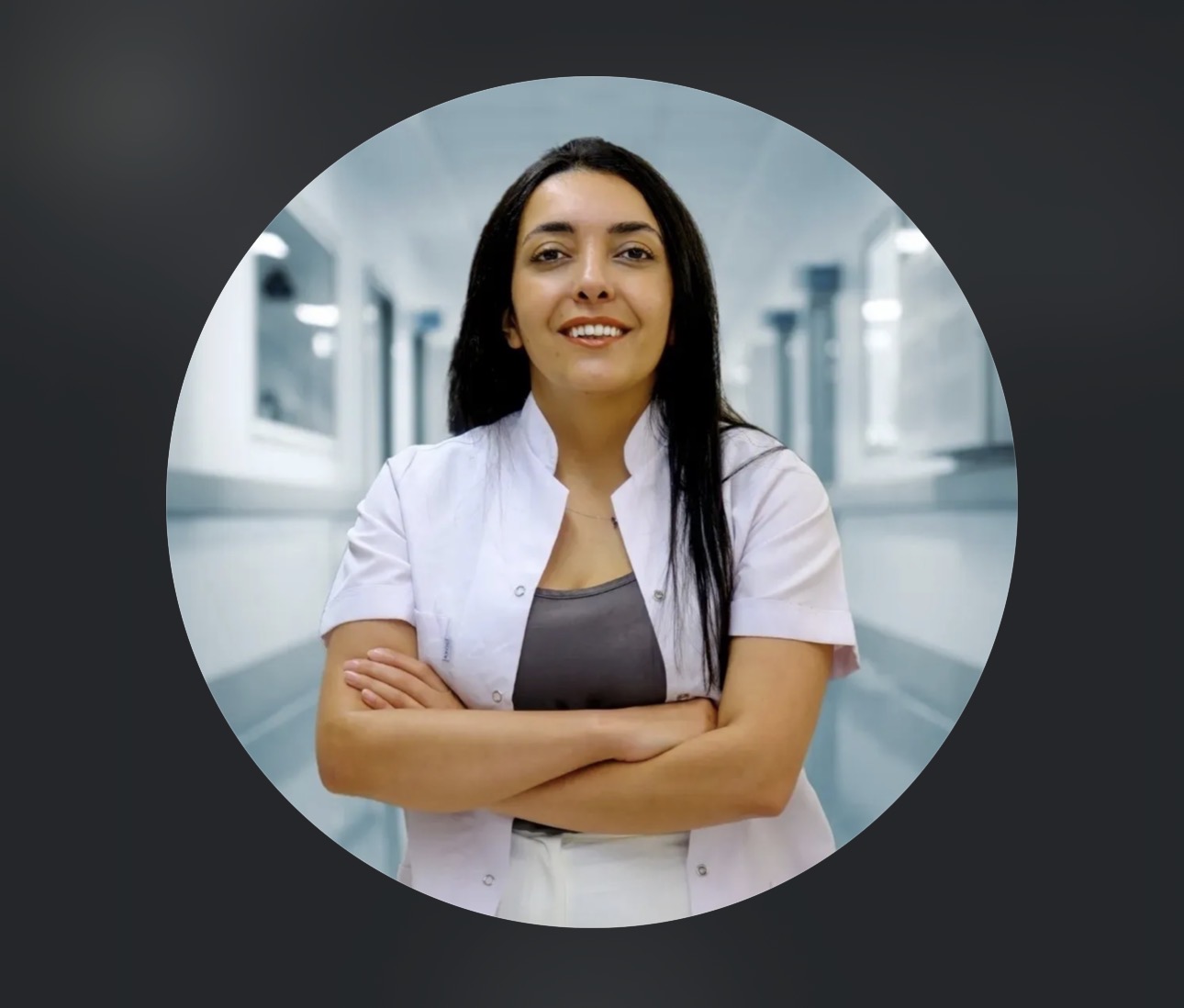
Medically reviewed by Dr. Gülsüm Barutcu
Dr. Gülsüm Barutcu
Plastic, Reconstructive and Aesthetic Surgeon · Istanbul, Turkey
Dr. Barutcu cares for international patients with an emphasis on personalised planning, ethical decision-making and natural-looking outcomes. Her practice is built on patient safety, informed consent and an unhurried approach to every consultation.
Last reviewed: 15 May 2026


