
Why the flight matters
Air travel after surgery is not dangerous in itself, but it concentrates two specific risks: deep vein thrombosis (DVT) from prolonged immobility, and increased swelling from cabin pressure and dehydration. Both are entirely manageable with planning. This guide explains what 'fit to fly' actually means after the most common plastic surgery procedures, and how to make the journey home as comfortable as the surgery was successful.
When is it safe to fly?
These are general guidelines. Your surgeon's clearance is the final word, based on your individual healing.
| Procedure | Earliest safe flight |
|---|---|
| Rhinoplasty | Day 7 (after splint removal) |
| Breast Augmentation | Day 5–7 |
| Tummy Tuck | Day 10–14 (after drains) |
| Liposuction (small) | Day 5–7 |
| Mommy Makeover | Day 12–14 |
| Facelift | Day 10–14 |
DVT risk and how to control it
- Wear medical-grade compression stockings (Class 1 or 2) for the flight
- Walk the cabin every 60–90 minutes
- Perform ankle pumps every 30 minutes
- Drink water generously — avoid alcohol and caffeine
- Take your prescribed prophylactic blood-thinner if prescribed
- Book an aisle seat to make movement easier
Cabin pressure and swelling
Cabin pressure equivalents to 1,800–2,400 metres of altitude can increase post-operative swelling, particularly in the face and ankles. The effects are temporary. Continue wearing any prescribed compression garments throughout the flight, keep hydration up, and elevate your legs when seated. Most patients notice puffiness for the first 24 hours after landing, which then resolves.
Comfort essentials in your cabin bag
- Surgeon's discharge summary and contact number
- All medication in original packaging
- Compression stockings
- Surgical bra or abdominal binder if applicable
- Lip balm, eye drops and saline nasal spray
- Sleep mask, neck pillow and loose layered clothing
- Snacks (low salt) and a refillable water bottle
When to delay flying
Postpone your flight if any of the following are present: persistent fever, increasing pain in one calf, shortness of breath, undrained haematoma, or any concern raised at your final follow-up. A two- or three-day delay is a minor inconvenience; a serious DVT or pulmonary embolism is not.
The Initial Consultation: Preparing for Your Journey to Istanbul
Our initial consultation is a comprehensive process designed to ensure your safety and optimal outcomes. During this virtual meeting, we will discuss your medical history in detail, including past surgeries, current medications, and any pre-existing conditions. We encourage you to provide all relevant diagnostic reports and imaging. This thorough review allows us to assess your suitability for surgery and identify any potential risks, particularly those related to long-haul travel.
We will also engage in a detailed discussion regarding your aesthetic goals and preferences. We will explain the surgical procedures suitable for your needs, outlining the specific techniques we employ, the expected recovery timeline, and potential complications. It is important to have realistic expectations, and we will provide you with before-and-after photographs of previous patients with similar anatomical considerations to illustrate achievable results. We reserve ample time for your questions, ensuring you have a clear understanding of the proposed treatment plan.
A crucial aspect of this consultation involves the logistical planning for international patients. We will outline the typical duration of your stay in Istanbul, which generally ranges from 7 to 14 days depending on the complexity of the procedure. We provide guidance on pre-operative preparations, including dietary restrictions and medication adjustments. Furthermore, we will discuss the post-operative care schedule, including wound care, pain management, and follow-up appointments, all tailored to facilitate a smooth recovery before your return flight.
Optimising Your Recovery Environment in Istanbul
Our surgical facility in Istanbul is accredited and equipped with modern technology to ensure a sterile and safe environment. Following your procedure, you will remain under the close supervision of our medical team in a dedicated recovery suite. The initial hours post-surgery are critical, and our nurses are experienced in monitoring vital signs, managing pain with appropriate analgesia, and addressing any immediate post-operative concerns. We prioritise your comfort and well-being during this acute recovery phase.
For the subsequent days of your recovery in Istanbul, we recommend accommodation options that facilitate rest and easy access to our clinic for follow-up appointments. Many of our international patients opt for hotels or serviced apartments located within close proximity to our facility. We can offer recommendations for accommodations that are accustomed to medical tourism patients, providing features such as comfortable beds, quiet surroundings, and readily available room service to minimise exertion.
During this period, our team provides comprehensive post-operative instructions for your daily care. This includes guidance on wound care, managing any drains that may be present, and proper use of compression garments. Regular communication with our nursing staff is maintained, and we encourage you to report any concerns. We schedule regular follow-up consultations to monitor your healing progress, remove sutures or drains as necessary, and ensure you are progressing appropriately for your eventual flight home.
- Ensure your accommodation offers comfortable bedding and quiet surroundings.
- Confirm easy access to the clinic for follow-up appointments.
- Arrange for nutritious meals delivered to your room to minimise exertion.
- Stay hydrated by drinking plenty of water.
- Avoid strenuous activities and heavy lifting.
- Follow all wound care and medication instructions meticulously.
Understanding Anatomical Changes and Post-operative Swelling
Plastic surgery procedures inherently involve manipulation of tissues, leading to a predictable inflammatory response manifested as swelling and bruising. While some swelling is normal, its extent and duration can vary significantly depending on the surgical area. For procedures such as abdominoplasty or liposuction, swelling can be considerable, impacting the abdominal wall and surrounding tissues. In facial surgeries, such as rhinoplasty or blepharoplasty, swelling is concentrated around the delicate structures of the face and eyes, often peaking within the first 48 to 72 hours.
The anatomical distribution of swelling is influenced by gravity and the lymphatic drainage system. In areas like the lower extremities after procedures such as thigh lift or calf augmentation, swelling can be more persistent due to gravitational effects. Compression garments play a crucial role in mitigating this by providing external pressure, which helps to reduce fluid accumulation and support the healing tissues. Consistent wear as instructed by your surgeon is paramount for effective swelling management.
While the majority of significant swelling subsides within the first three to six weeks, a degree of subtle, persistent swelling can remain for several months, particularly in more extensive procedures. This is a normal part of the healing process and gradually resolves as the tissues mature and the lymphatic system fully recovers. We advise against strenuous activities that could exacerbate swelling, especially close to your flight home, as increased activity can temporarily worsen fluid retention.
Specific Considerations for Different Procedures and Flight Safety
The type of plastic surgery performed significantly influences the recommended waiting period before flying. For minor procedures, such as isolated eyelid surgery or small excisions, the risk associated with flying is generally lower, and a shorter waiting period of 3-5 days may be deemed safe. Conversely, more extensive surgeries, including full abdominoplasty, extensive liposuction involving multiple body areas, or complex breast reconstruction, necessitate a longer recovery period on the ground, often 10-14 days minimally, due to increased risk of deep vein thrombosis (DVT) and greater post-operative swelling.
Facial surgeries, while typically involving less blood loss, require specific attention to swelling management, which can be exacerbated by cabin pressure changes. Procedures like rhinoplasty or facelift often benefit from having a week to 10 days of recovery before flying to allow initial swelling to subside. This reduces discomfort during the flight and also lessens the likelihood of noticeable swelling upon arrival. The use of cold compresses and prescribed anti-inflammatory medications continues to be important during this period.
Body contouring procedures involving the torso and lower extremities, such as Brazilian Butt Lift (BBL) or thigh lift, present a higher DVT risk due to prolonged immobility during the surgery itself and the extensive tissue manipulation. For these patients, strict adherence to DVT prophylaxis, including regular ambulation, hydratation, and potentially pharmacological agents, is crucial. We meticulously evaluate each patient's individual risk profile and tailor our recommendations for safe air travel accordingly, always prioritising patient safety above all else.
Medication Management and Post-operative Support Abroad
Upon discharge, you will receive a comprehensive medication regimen tailored to your specific needs. This typically includes analgesics for pain management, antibiotics to prevent infection, and potentially anti-inflammatory drugs to reduce swelling. We will provide clear instructions on dosage, frequency, and any specific considerations such as taking medication with or without food. It is imperative that you adhere strictly to this prescribed regimen to optimise your recovery and minimise complications, especially during your travel window.
We will also discuss common post-operative symptoms and equip you with strategies to manage them effectively. This includes guidance on managing nausea, constipation, or minor discomforts that may arise. For international patients, we ensure you have an adequate supply of all necessary medications for your journey home and for the initial period upon your return. We provide written prescriptions and details that can be presented to customs if required, though this is rarely an issue for personal use quantities.
Our commitment to your care extends beyond your stay in Istanbul. We provide a direct contact method for our medical team, ensuring you can reach us with any urgent queries or concerns during your recovery period at home. We also facilitate communication with your local general practitioner or a designated healthcare provider, if desired, to ensure a seamless continuation of your post-operative care. This comprehensive support system is designed to provide you with peace of mind throughout your recovery journey.
FAQ
Frequently asked questions
Will my ears hurt after rhinoplasty during the flight?+
Some pressure is normal but rarely painful by day seven. Chewing gum or yawning during ascent and descent helps.
Do I need a doctor's letter to fly?+
Airlines occasionally request one for very recent surgery. Your clinic will provide a fit-to-fly letter on request.
Are compression stockings really necessary?+
Yes, for any flight over four hours within four weeks of surgery. They meaningfully reduce DVT risk.
Can I fly business class to recover better?+
If budget allows, the ability to lie flat and move easily is a genuine recovery advantage.
What should I do if I feel unwell on the flight?+
Notify cabin crew immediately. Have your surgeon's number accessible and your discharge summary in your carry-on.
How do you assess my suitability for plastic surgery as an international patient?+
We conduct a thorough virtual consultation that includes a detailed review of your complete medical history, a discussion of any pre-existing conditions, current medications, and previous surgical experiences. We may request recent blood tests and other diagnostic imaging to ensure a comprehensive understanding of your health status. This meticulous approach allows us to determine your candidacy for surgery and assess the potential implications of international travel on your recovery.
What is the typical duration of my stay in Istanbul for plastic surgery?+
The duration of your stay in Istanbul will depend on the complexity and type of plastic surgery procedure you undergo. For more extensive procedures such as abdominoplasty or complex breast surgeries, we typically recommend a stay of 10 to 14 days to ensure adequate initial recovery and allow for essential post-operative checks. For less invasive procedures, a stay of 7 days might suffice. This timeframe allows us to monitor your early healing, manage any immediate post-operative concerns, and prepare you safely for your return flight.
What kind of post-operative support can I expect once I return to my home country?+
Upon your return home, our commitment to your care continues. We provide clear, comprehensive post-operative instructions for your ongoing recovery. You will have direct contact information for our medical team in Istanbul for any urgent queries. We also encourage you to maintain communication with your local general practitioner, and we are happy to provide them with a detailed surgical report if requested, facilitating a coordinated approach to your continued care.
How do you manage pain after surgery, particularly for international patients?+
Pain management is a critical aspect of your recovery. We utilise a multi-modal approach to pain control, including oral analgesics, and in some cases, nerve blocks during surgery to provide prolonged pain relief. You will be prescribed a tailored regimen of pain medication for your recovery in Istanbul and for your journey home. We provide clear instructions on how to manage any discomfort effectively and are available to address your concerns throughout your recovery period.
Are there any specific dietary recommendations before or after surgery for better recovery?+
Prior to surgery, we advise maintaining a healthy, balanced diet and ensuring adequate hydration. We typically recommend avoiding alcohol and certain supplements that can increase bleeding risk for at least two weeks before your procedure. Post-operatively, a diet rich in protein, vitamins, and minerals is crucial for healing. Staying well-hydrated is also paramount. We will provide specific dietary guidance tailored to your individual procedure and recovery needs to promote optimal healing.
Explore further
Continue your research on the clinic site
Next step
Interested in learning whether this procedure is right for you?
Schedule a personalised consultation with Dr. Gülsüm Barutcu in Istanbul to discuss your goals and receive a tailored treatment plan.
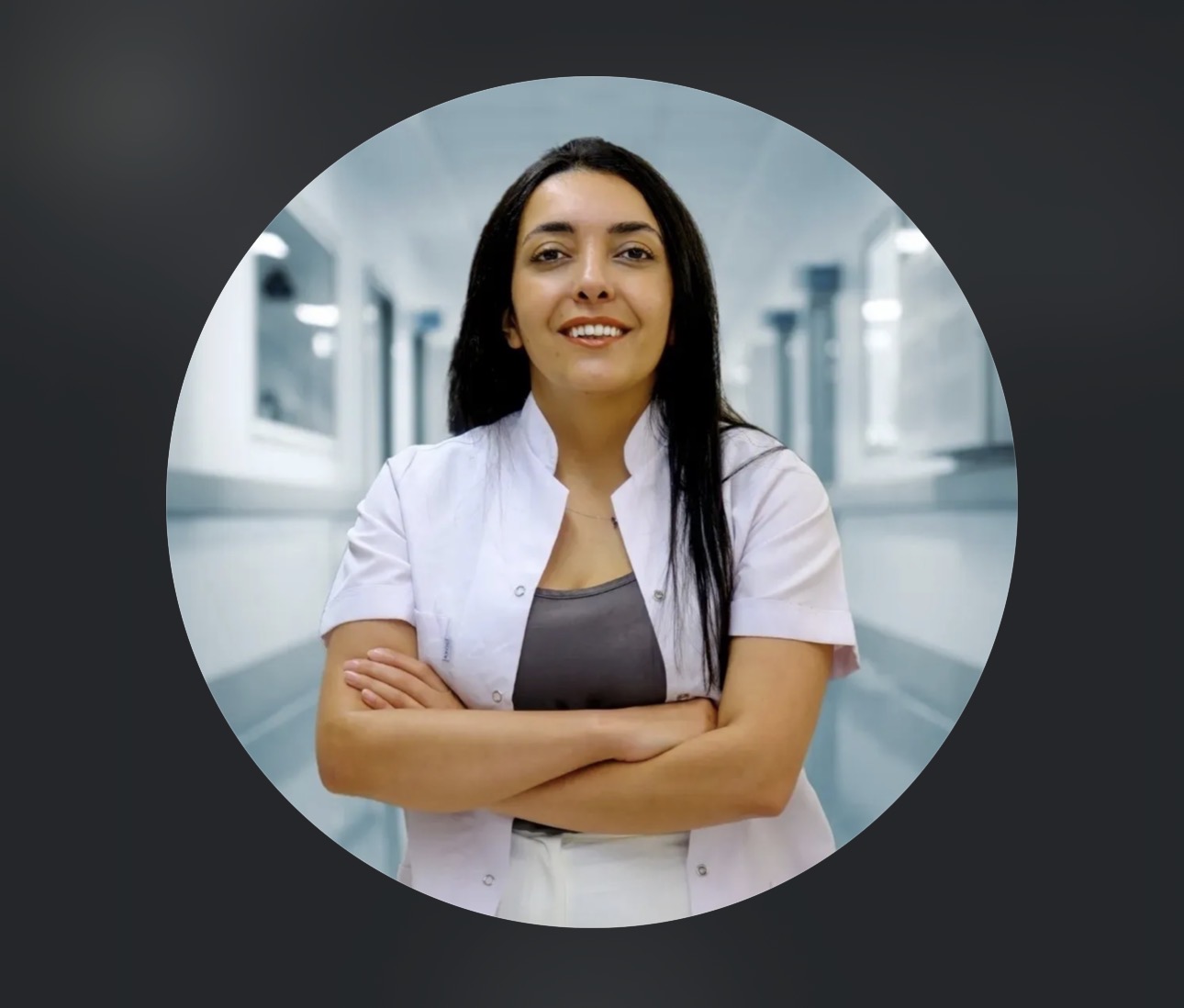
Medically reviewed by Dr. Gülsüm Barutcu
Dr. Gülsüm Barutcu
Plastic, Reconstructive and Aesthetic Surgeon · Istanbul, Turkey
Dr. Barutcu cares for international patients with an emphasis on personalised planning, ethical decision-making and natural-looking outcomes. Her practice is built on patient safety, informed consent and an unhurried approach to every consultation.
Last reviewed: 10 April 2026

